Thank you for Subscribing to Construction Business Review Weekly Brief

CIRE Equity
Lysa Solano, Director of Construction
Building High Performing Construction Teams Through Collaboration And Leadership: Alignment Is The Real Superpower
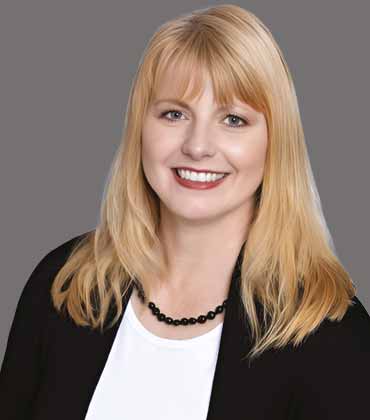
Lysa Solano
One of my favorite ways to open a room is to ask everyone to imagine that we’ve been handed a bridge to build.
Everyone arrives with a different tool: design expertise, structural know-how, budget discipline, or municipal relationships. No single tool gets the bridge built. The trick is to get everyone pointed in the same direction. That’s construction leadership in a nutshell.
For me, high-performing teams come down to four things: clarity, accountability, trust, and early communication. When people know what they own, what success looks like, and feel that they can raise issues early, the team gets stronger and the project gets better.
Great Teams Are Built, Not Discovered
The best teams I’ve worked with didn’t start with instant chemistry. They started with clarity.
Four habits make the difference:
• Align before mobilization. Get the architect, contractor, asset management, property management and construction management teams together early. Preconstruction is where projects are won or quietly lost.
• Create one source of truth. One schedule. One budget. One decision log. When everyone is working from the same information, the project moves faster and surprises stay smaller.
• Put a date on every decision. Every open question has a shelf life. In week two, it’s a conversation we can resolve around a table. In week ten, it can become a change order, a schedule delay, or both. The earlier we make the decision, the more options we have.
• Make it safe to speak up early. I’d rather hear about a $5,000 problem than a $50,000 one.
Small problems stay small when people know they can raise them without getting blamed.
Trust is built through follow-through. Do what you said you’d do, communicate early when you can’t, and take ownership of the impact of your decisions.
Same Project, Different Languages
Most jobsite friction isn’t caused by bad intent. It’s often the result of good people being measured on different things. The owner cares about budget and returns. The architect cares about design intent. The contractor cares about building something within a scope they can actually deliver.
Everyone is right. The challenge is that the same issue can look very different depending on where someone sits. My job is often to translate: turning the same fact into the currency each person cares about. A submittal delay isn’t just a schedule issue. It can affect the budget, the critical path, and ultimately the project’s return. When those connections aren’t made early, a problem that looks small to one party can become much bigger for the project as a whole.
Same problem. Better conversation.
That requires a consistent rhythm: an inclusive kickoff, lease milestones built into the construction schedule, named decision owners, and weekly OAC meetings focused on decisions instead of reciting status reports that everyone already knows.
Alignment isn’t a meeting. It’s a cadence.
AI is making that cadence easier to maintain. I can turn a meeting recording into a decision log with owners and dates in about a minute. I use AI to level bids, draft scopes from work letters, extract critical budget items from massive reports, and prepare updates for asset management.
Operational unity isn’t a soft idea. It’s a competitive advantage. Projects move forward when teams align early, communicate clearly, and O take ownership.
It doesn’t replace judgment. It takes the busy work off our plates so we can spend more time making decisions, solving problems, and supporting the people building the project.
The Leaders We Need Next
The leaders I see thriving in this industry share four traits. They’re comfortable with ambiguity, understanding that perfect information is not coming, so they make the best call, adjust, and keep moving. They’re curious about AI, recognizing that the tools have moved well beyond novelty and that the advantage now belongs to people willing to experiment. They invest in people because the labor gap won’t solve itself, and developing talent today creates capacity tomorrow. They understand the business of construction, knowing that a 90-day delay isn’t just a schedule problem but can materially change returns.
Understanding why the project exists, not just how it gets built, is what moves someone from managing projects to leading them. These qualities matter because resilient teams are not built around perfect conditions. They are built by leaders who can make thoughtful decisions when conditions are anything but perfect.
The conflict was structural, not personal.
The process had set two talented firms up to fail by keeping them apart until the drawings were nearly finished. On the next project, I brought them together at the 50% CDs. The friction largely disappeared.
That changed how I lead. When a team is struggling, I don’t start by asking, “Who’s the problem?” I ask, “What in the process is making this hard?” Then I fix the process. That lesson has stayed with me because it applies far beyond construction. Good leadership is not about being the smartest person in the room or having all the answers. It’s about creating an environment where smart people can do their best work.
For Those Coming Up
Understand the business. Know why the project exists, what drives the return, and how your decisions affect the investment. That understanding changes how you lead. Get fluent with AI now. Your judgment is the valuable part, so let the tools handle the first draft and direct your time where it matters most: the job, the decisions, and the people.
Walk the job. Some of the best relationships of my career started at six in the morning with a superintendent. The field will teach you things no report can. Do what you said you’d do when you said you’d do it. Trust is built through consistency. If something changes, communicate it early. That last part sounds simple because it is.
Operational unity isn’t a soft idea. It’s a competitive advantage.
Projects rarely fail because one person made one enormous mistake. They lose ground through dozens of small misalignments: an unanswered question, a missed handoff, or a decision no one took ownership of.
The good news? We can control that.
Build the right team. Align them early. Make decisions visible. Speak up early when something is off. Understand the business. Own your decisions. The bridge gets built when everyone points their tools in the same direction and does so early, clearly, and with a little generosity toward the people holding the other tools.
The articles from these contributors are based on their personal expertise and viewpoints, and do not necessarily reflect the opinions of their employers or affiliated organizations.
